Expert Tips for Efficient Dumpster Loading
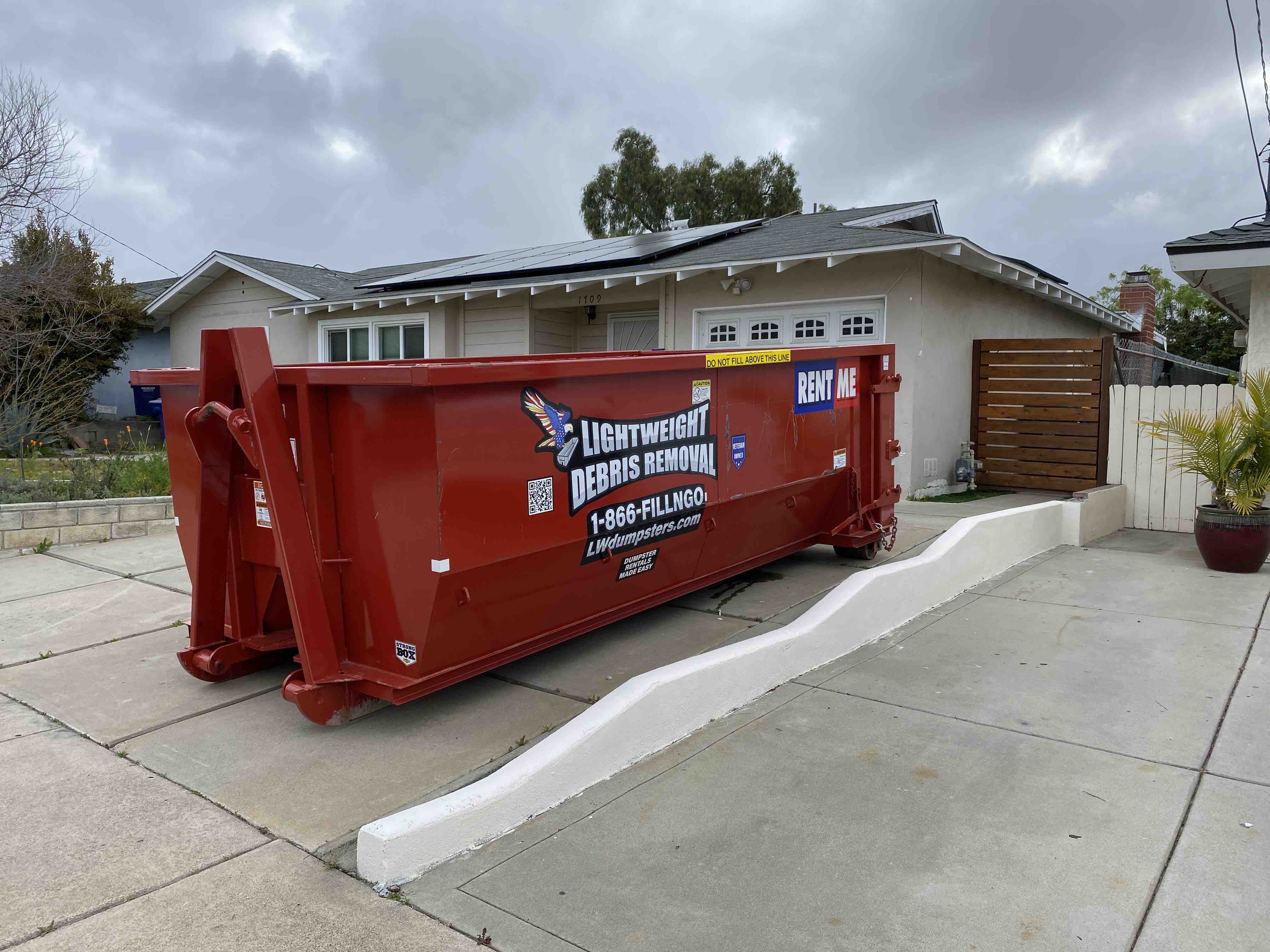
If you're managing a construction, renovation, or decluttering job, you might think dumpster loading is an easy step. But the way items are positioned affects how efficiently you use space, how safely you work, and how quickly you finish. Many people overlook the importance of proper dumpster loading, resulting in inefficient space use, potential danger, and extended work time.
At Lightweight Debris Removal, we stress the importance of loading a dumpster correctly just as much as selecting the proper size. By staying organized, you can make the most of your dumpster and keep operations safe and smooth. Our mission is to guide clients in getting maximum value from their dumpster rental by promoting smart loading practices that cut clutter, prevent harm, and make cleanup more efficient.
Preparing Your Dumpster Loading Strategy
Before filling the dumpster, taking time to organize is essential. Identify what materials you’ll dispose of and check if any can be recycled, reused, or need special handling. Sorting ahead of time promotes a smooth workflow and limits the need for reorganization later. You’ll also ensure safer handling since sharp or dangerous items are separated.
Planning how items will be loaded is another critical step. Place heavier or bulkier items first to form a solid base. Afterward, lighter materials can be layered on top to fill in spaces. A well-thought-out plan helps avoid imbalance and instability once hauling begins. This approach improves both safety and efficiency throughout the job.
Using Space Efficiently
Proper space utilization can make a major difference in how much waste fits. Large or bulky debris should be dismantled to conserve room. Crushing or flattening materials helps create more usable space. Doing so enables more debris to fit while keeping the load balanced and organized.
You can also use a layering technique for smarter space allocation. Lay heavy, flat items first to form a strong base. Then alternate with lighter items to fill gaps efficiently. Avoid stacking debris past the dumpster’s top edge to maintain safety. Proper layering not only optimizes space but also enhances organization and safety.
Safety Best Practices for Dumpster Loading
Safety must always come first when loading a dumpster. Always wear gloves, closed-toe shoes, and suitable protective clothing. Make sure your workspace is clear of debris or uneven ground before lifting. Being aware of your surroundings supports a safer environment for everyone involved.
Refrain from throwing objects into the dumpster carelessly, since this could result in shifting, accidents, or property harm. Instead, place objects deliberately and with control. For heavy items, always lift with help to stay safe. Prioritizing safety not only protects workers but keeps operations steady and efficient.
Efficiently Sorting and Arranging Materials
Keeping materials sorted throughout the loading process is essential for maintaining efficiency. Separate different materials like wood, metal, and household refuse for easier management. Doing so not only streamlines the loading phase but also simplifies unloading and proper disposal. This organization helps identify recyclables and promotes environmentally conscious waste handling.
Keeping materials organized reduces the need to rearrange items once they’re inside. Place lightweight materials such as cardboard or fabric on top, while heavy objects go below. By organizing weight properly, the dumpster remains secure and tidy. Being organized saves time and creates a smoother, more professional workflow from start to finish.
Protecting Your Property During Dumpster Use
Though dumpsters are designed for strength, the ground beneath them may not be. Placing wooden planks or similar barriers underneath distributes weight and prevents surface damage. Such a simple step goes far in preserving the condition of your working area.
Where you position the dumpster affects both convenience and safety. Pick a steady surface that provides safe loading and unobstructed access. Keep it at website a safe distance from fences, walls, or gardens that might be impacted. Proper planning and setup promote a damage-free and stress-free project environment.
Boosting Productivity on Large-Scale Cleanups
Major cleanup efforts can produce a steady stream of waste that requires planning. Prepare a sorting zone to prearrange waste and make the loading phase smoother. This keeps the dumpster evenly filled from front to back and minimizes later rearranging.
Encouraging teamwork and good communication boosts workflow efficiency. Divide responsibilities among your team to maintain consistent progress. Clear roles prevent confusion and keep the process flowing efficiently. Planning and cooperation are vital for completing big projects without unnecessary setbacks.
What You Should Avoid Loading Into a Dumpster
Certain items aren’t permitted in regular dumpsters, making awareness essential. Materials like paints, batteries, and chemicals require special disposal methods. Placing these inside a dumpster may cause environmental harm or disposal complications. Always confirm what’s allowed before starting to load your dumpster.
Avoid exceeding the dumpster’s weight or fill limit to prevent safety risks. An overfilled dumpster can create handling issues and pose transport hazards. By following proper load limits, you support responsible waste management. Awareness of limits helps avoid issues during collection and hauling.
Partnering with a Reliable Dumpster Rental Provider
Partnering with a trustworthy service improves your overall project results. Lightweight Debris Removal delivers dependable and professional dumpster solutions to simplify cleanup for any project. Our team assists from delivery through pickup, offering consistent, timely, and hassle-free support.
Opting for a company that values service quality improves every project step. Clear communication, reliability, and efficiency are what make a project succeed. Lightweight Debris Removal is devoted to helping clients achieve organized, secure, and efficient results through expert guidance and responsible use.
Maintaining a Clean and Efficient Project Site
Efficient dumpster loading directly impacts overall project productivity. A clean, well-kept work area enables smooth task flow and better teamwork. Using effective organization turns cleanup into a natural step in the process.
Lightweight Debris Removal encourages clients to see dumpster use as more than just disposal. It’s a chance to boost safety, save time, and protect your surroundings. By planning ahead and working smartly, you can make waste removal a seamless part of every project.